Enzyme and bacterial drain products contain living cultures or proteins that eat organic waste such as grease, soap film and food residue. They work over hours, not minutes. They suit maintenance on a slow drain better than rescue of a stopped one.
When a drain is fully blocked, the next step is our drain cleaning service.
How enzyme cleaners work
The active ingredients break organic matter into smaller pieces that wash away. They do not dissolve hair, plastic, paper wipes, mineral scale or a solid object. They also need time, so most products tell you to apply them at night and avoid running water for several hours.
Enzymes compared with chemical openers
| Enzyme cleaner | Chemical opener | |
|---|---|---|
| Speed | Slow, hours | Fast, minutes |
| Best for | Grease film and slow drains | Some soft clogs |
| Pipe impact | Gentle on most pipes | Can be harsh and heat the pipe |
| Safety | Low hazard in normal use | Burns skin and eyes if splashed |
| Limits | Cannot clear hair or solids | Can sit in a blocked pipe |
How to use one on a slow sink
- Clear any visible gunk from the strainer.
- Pour the dose the label recommends into the drain.
- Leave the sink unused for the time on the label, often overnight.
- Flush with warm water in the morning.
- Repeat on schedule if the label recommends maintenance doses.
What not to do
Never mix an enzyme cleaner with a chemical opener. The chemicals can kill the cultures and create dangerous reactions. Avoid hot water that is boiling, which can damage the bacteria. Do not use a chemical cleaner and then call a plumber without saying so, because the next person to open the trap needs to know.
When to skip the bottle
If the sink is full and not moving, if two fixtures are slow together or if the drain gurgles, the clog is deeper than an enzyme can reach. If the same drain slows again within weeks, a hydro jetting visit or a camera look may find the cause.
Choosing a product
Read the label for the target. Some products aim at kitchen grease, others at general organic buildup. Check whether the product is safe for your pipe type and for any septic system. Skip anything that promises instant results, because enzymes are slow by nature.
Store the product as directed. Enzyme cultures lose strength if the bottle gets hot or old.
What a plumber can do that a bottle cannot
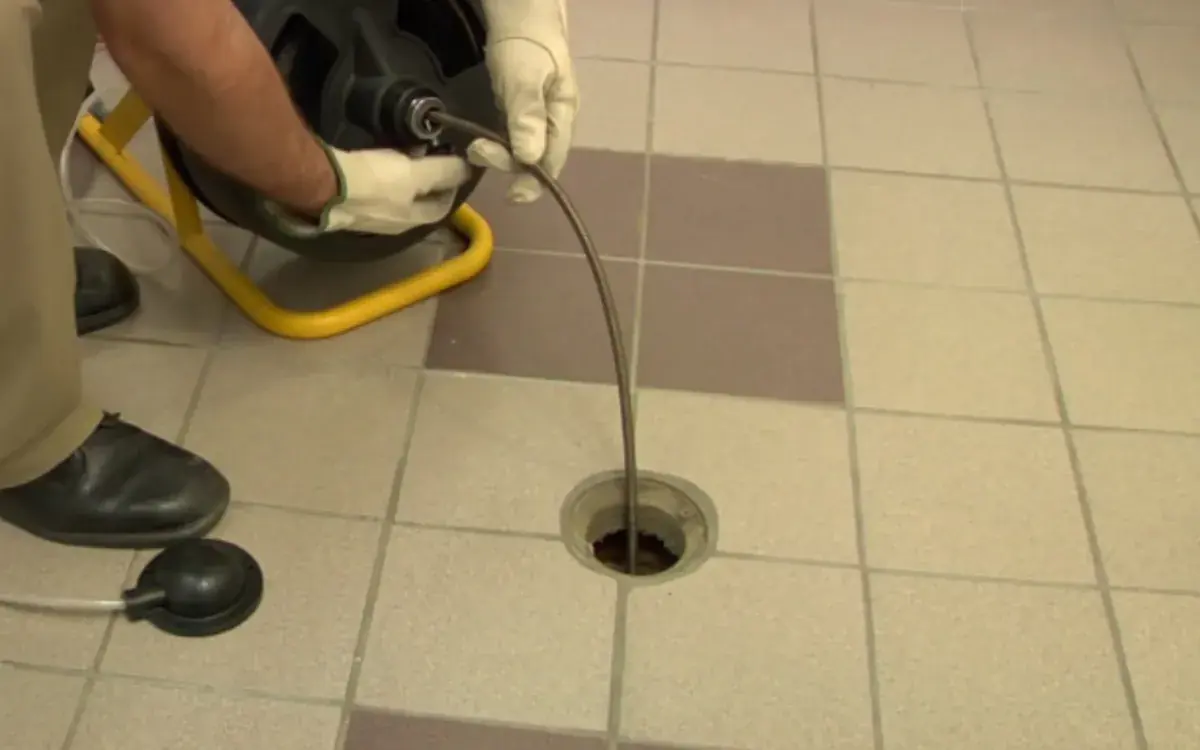
- Cut through hair and solid clogs with a cable.
- Scour grease from pipe walls with a jetter.
- Look inside the line with a camera.
- Find the cause of a repeat clog, such as a belly or a break.
- Repair or replace damaged sections of pipe.
A maintenance routine that works
- Scrape pans and plates into the trash.
- Use a strainer and empty it daily.
- Flush the sink with hot tap water after use.
- Apply an enzyme product at night once a month if you like.
- Call for cleaning if the drain slows even after you follow the steps.
Which sinks benefit most
Kitchen sinks that receive grease and food residue get the most from a regular enzyme routine. A bathroom sink that slows down from hair and soap will not respond well, because hair is not organic waste an enzyme can digest. Laundry sinks that collect lint and detergent behave more like bathroom drains.
If you rent out a unit, keep the label and ask tenants to follow the same routine.
Safety and storage
- Wear gloves when handling concentrated products.
- Keep bottles away from children and pets.
- Never mix products, even different brands of enzyme cleaners, unless the labels say it is safe.
- Keep the container closed and out of direct heat.
- Check the expiration date, since old cultures lose strength.
How long should you wait before calling a plumber
If a drain is slow and you have used a product for two or three nights with no improvement, stop. A deeper clog will not yield to enzymes, and every day of waiting adds the risk of a full backup. A plumber with a cable or a camera answers the question quickly, and you avoid a repeat of the same bottle.
What the evidence says about enzyme products
Independent testing of drain products is thin, and manufacturers' claims run ahead of what a clog actually needs. In plain terms, enzymes can digest grease and organic film in a pipe over days, and that is a real but modest job. They are a maintenance product, not a rescue tool.
Treat the bottle like a gym membership. It helps if you keep at it, it does nothing for an injury already done, and the real fix for a stopped line is mechanical.
- Use it to slow grease buildup in a kitchen line.
- Do not expect it to clear hair, wipes or roots.
- Pair it with strainers and good habits.
- Call for a cable or jetter when water stands in the sink.
Rental units and shared kitchens
Landlords and shared households often ask whether an enzyme product can stand in for maintenance. It can cut grease film between visits, and it does not replace a trained look at the line. If several tenants share a kitchen, put a strainer in every sink and post a short note about grease. Fewer clogs come from habits than from any bottle.
Standards to read on the label
Look for the manufacturer's directions and any safety warnings, and follow the label guidelines on dosing and rinse time. Never mix cleaners, because the products can react.
Better habits for kitchen drains
- Wipe grease from pans into the trash before washing.
- Use a strainer in each sink and empty it daily.
- Run hot tap water for a half minute after washing dishes.
- Keep wipes, paper towels and rice out of the sink.
Where Plantation's wastewater goes
Wastewater from your sink moves into the city's collection system, which the City of Plantation describes as 197 miles of gravity sewer mains, 57 miles of force mains and 125 lift stations. Grease that clings to your pipes can build up in that system too.
Households in Sunrise and Tamarac connect to their own city systems, but the habits that protect them are the same.
Call the line, describe it, and we will say whether it can wait.
Enzyme cleaner questions
They are generally gentler than chemical openers. Follow the label.
Often a few days of regular use. They are slow.
No. A toilet clog is a solid obstruction. Use a plunger or call a plumber.
Grease can cling to pipes in your house line and to mains in the city system, which is why scraping pans and using strainers helps everyone.